A long recording of a shared meal can hold a better story than the handful of close-ups you first notice. The cook explains a dish, someone asks a question, and a small exchange gives the scene its meaning. Before choosing music or shortening every shot, find the parts of the conversation worth keeping.
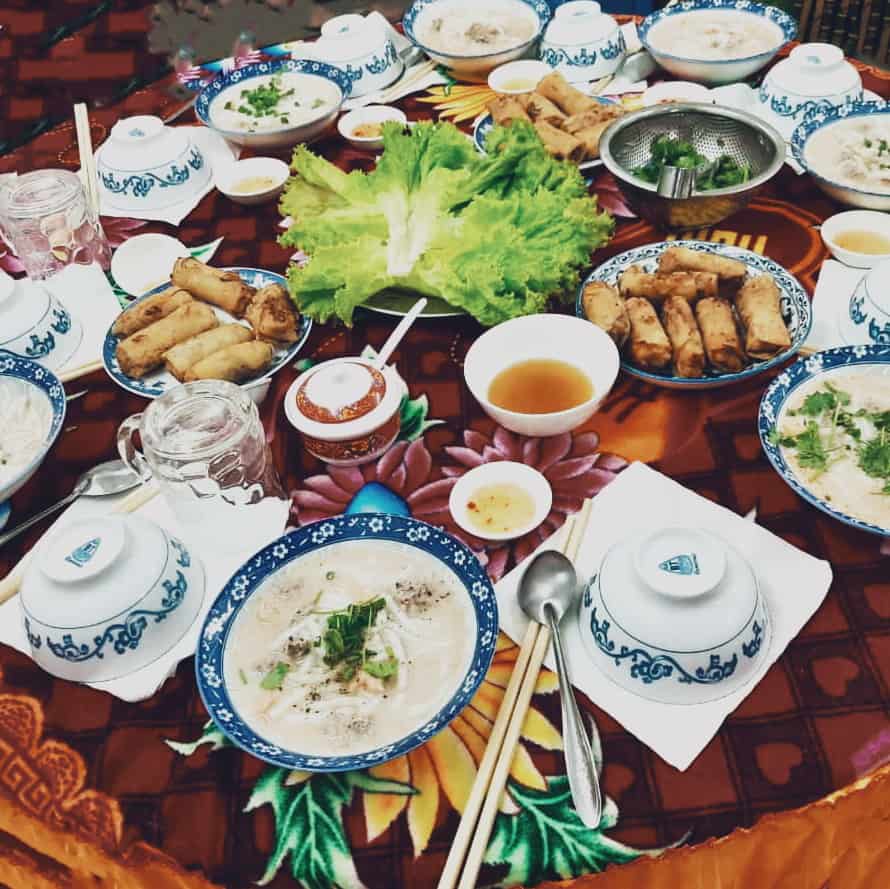
Saigon Hotpot’s Traditional Meal Tour story describes cooking with a host family, eating together and leaving messages in a memory book. Those are useful things to look for in your own footage: an action, the people involved and a detail that explains why the visit mattered.
Listen before you make the first cut
Keep the original recordings and a separate backup. Then watch each long clip with its sound on. Note where the subject changes, where a question starts and whether its answer is understandable. A beautiful plate shot is useful, but it cannot replace the explanation you meant to remember.
If you are assembling the film in Lightworks, Lightworks Guide’s editing and project tutorials provide help with the software. Start your own selection with the visit itself: introductions, preparation, the shared meal and whatever ending you actually recorded. You do not need to include every stage if the material does not support it.
Name the moments you want to find again
“Good bit” is hard to recognise a week later. Use a note such as “host explains the filling” or “guest asks about the recipe”. Add the source filename and a time reference if you are keeping notes outside the editor. For a passage in Vietnamese, ask a fluent speaker to confirm its meaning before deciding which words belong in the film.
In Lightworks, a cue marker can identify a moment to revisit; a subclip gives a selected section its own named project entry. The guide to marking moments and making subclips in Lightworks explains the difference. A subclip still depends on the original recording, so keep that source accessible rather than treating the named excerpt as a separate video file.
After choosing an excerpt, play its opening and ending. Include enough of the question to make the answer clear, and leave the speaker’s qualification intact. A shorter sentence can sound more confident than the person intended if you cut away the words that limited it.
Use close-ups to explain the exchange
Imagine a recording in which a host explains how a dish is assembled. You could begin with the question, show the relevant preparation while the explanation continues, then return to the speaker or the shared table. That gives the detail a reason to be there. Check that the picture shows the step being described; a shot from a different stage can confuse the viewer.
Keep some natural sound where it helps: a brief cooking sound, a pause or a response from the table. If you add music, listen again for words it masks. When speech is too unclear to use, choose a different passage or write an accurate short caption instead of guessing what was said.
Review the people as well as the picture
Ask before including an identifiable guest or host, especially in someone’s home, and respect an answer that changes after filming. Check the background for addresses, messages or other details that were never part of the story. Give anyone helping with translation enough surrounding speech to understand the exchange.
Finally, open the exported file outside the editor and watch it from start to finish. Can you follow the conversation without your editing notes? Are names and captions correct? Keep the version that preserves the exchange, even if that means dropping a favourite close-up.